6/17/2026
Simplifying Automation with Open-Source AI Agents: OpenClaw and Hermes Agent
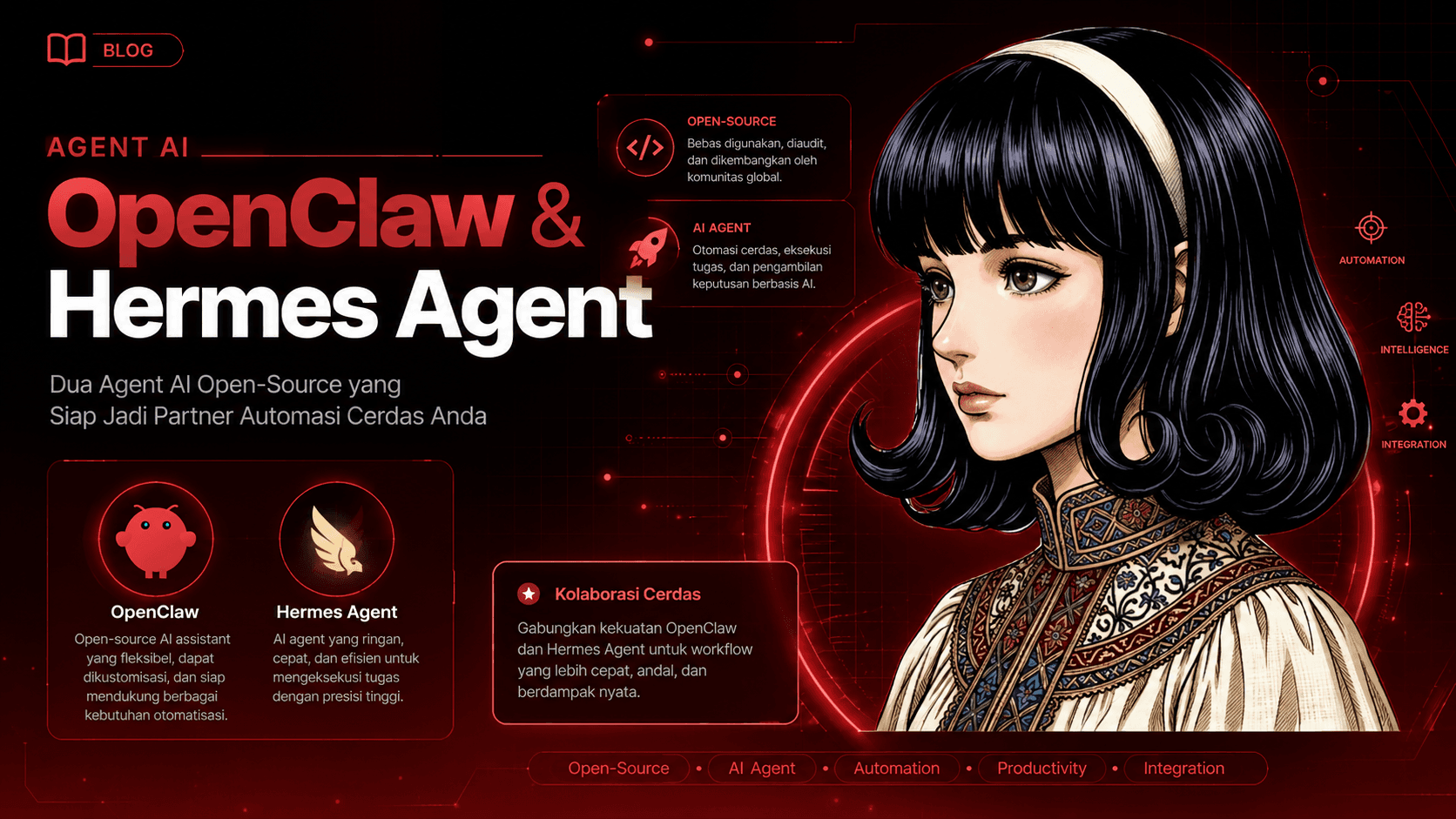
Business process automation is now more accessible than ever with open-source AI agents. This article explores how OpenClaw and Hermes Agent can help you implement efficient automation.
In the ever-evolving technological landscape, automation has become key to enhancing efficiency and productivity. Open-source AI agents like OpenClaw and Hermes Agent offer powerful and flexible solutions to achieve these goals.
OpenClaw is an AI agent framework designed to interact with desktop and web applications. With its ability to understand and mimic human actions, OpenClaw enables the automation of complex tasks, ranging from data entry to software testing. Its main advantages lie in its flexibility and ease of adaptation to various environments.
On the other hand, Hermes Agent focuses on automating more structured workflows, often involving integration with various systems and APIs. Hermes Agent excels at orchestrating tasks that require coordination between multiple services, making it an ideal choice for complex business process automation such as supply chain management or customer service.
The main difference between the two lies in their approach to automation. OpenClaw is more suited for user interface-based automation, where the agent directly interacts with visual elements. Meanwhile, Hermes Agent is more oriented towards API-based automation and system integration, where the agent communicates directly with backend services.
Choosing between OpenClaw and Hermes Agent depends on the specific needs of your project. If you need to automate tasks involving interaction with graphical user interfaces, OpenClaw might be a better choice. However, if your project requires complex workflow orchestration with many system integrations, Hermes Agent will be superior.
Both of these AI agents offer significant advantages in terms of cost and flexibility compared to proprietary solutions. As open-source projects, they allow developers to customize and extend functionality as needed, without being tied to vendor licenses or restrictions.
Implementing open-source AI agents requires a good understanding of system architecture and programming capabilities. However, with active communities and adequate documentation, developers can quickly learn and deploy these solutions.
By leveraging OpenClaw and Hermes Agent, companies can reduce manual workloads, minimize human errors, and accelerate task completion times. This will ultimately lead to increased operational efficiency and competitive advantage.
In conclusion, OpenClaw and Hermes Agent are two powerful tools in the open-source AI agent ecosystem. Understanding the strengths and weaknesses of each will help you make informed decisions for your automation needs, paving the way for greater innovation and efficiency.
OpenClaw is an AI agent framework designed to interact with desktop and web applications. With its ability to understand and mimic human actions, OpenClaw enables the automation of complex tasks, ranging from data entry to software testing. Its main advantages lie in its flexibility and ease of adaptation to various environments.
On the other hand, Hermes Agent focuses on automating more structured workflows, often involving integration with various systems and APIs. Hermes Agent excels at orchestrating tasks that require coordination between multiple services, making it an ideal choice for complex business process automation such as supply chain management or customer service.
The main difference between the two lies in their approach to automation. OpenClaw is more suited for user interface-based automation, where the agent directly interacts with visual elements. Meanwhile, Hermes Agent is more oriented towards API-based automation and system integration, where the agent communicates directly with backend services.
Choosing between OpenClaw and Hermes Agent depends on the specific needs of your project. If you need to automate tasks involving interaction with graphical user interfaces, OpenClaw might be a better choice. However, if your project requires complex workflow orchestration with many system integrations, Hermes Agent will be superior.
Both of these AI agents offer significant advantages in terms of cost and flexibility compared to proprietary solutions. As open-source projects, they allow developers to customize and extend functionality as needed, without being tied to vendor licenses or restrictions.
Implementing open-source AI agents requires a good understanding of system architecture and programming capabilities. However, with active communities and adequate documentation, developers can quickly learn and deploy these solutions.
By leveraging OpenClaw and Hermes Agent, companies can reduce manual workloads, minimize human errors, and accelerate task completion times. This will ultimately lead to increased operational efficiency and competitive advantage.
In conclusion, OpenClaw and Hermes Agent are two powerful tools in the open-source AI agent ecosystem. Understanding the strengths and weaknesses of each will help you make informed decisions for your automation needs, paving the way for greater innovation and efficiency.